You’ll protect dried mushroom quality by specifying board grade (SBS, kraft, or corrugated) and setting barrier targets first—aim for WVTR ≤0.5 g/m²·day and OTR ≤1 cc/m²·day with PET/AL/PE or MetPET laminates. Then you’ll engineer strength (ECT/BCT, flute profile, panel spans) and validate seal integrity with peel, leak, and drop cycles. Match pack geometry to shiitake, oyster, porcini, or morels, and you’ll see how Hola Custom Boxes builds it.
Brands that require reliable food-grade packaging often turn to dried mushroom packaging boxes designed to protect aroma, control moisture exchange, and maintain product structure from packing through retail display.
Main Points
Choose SBS, kraft, or corrugated board by caliper, burst/ECT strength, and print needs for dried mushroom boxes.
Specify barrier targets: WVTR ≤0.5 g/m²·day and OTR ≤1 cc/m²·day using foil, metallized film, or EVOH liners.
Match box geometry to mushroom type—deeper headspace for shiitake, partitions for oyster, rigid dividers for porcini, and anti-roll cavities for morels.
Use retail tuck-end or auto-bottom cartons with a sealed inner pouch, then ship in E or B-flute RSC cases validated through ISTA-style drop and compression testing.
Select low-migration inks, odor-neutral adhesives, and finishes such as matte AQ, gloss UV, or soft-touch coatings to protect aroma while enhancing shelf appeal.
Key Specs for Dried Mushroom Packaging Boxes
Five specifications largely determine dried mushroom packaging performance: material grade, barrier targets, structural strength, seal integrity, and regulatory compatibility.
First, you’ll select SBS, kraft, or corrugated board according to caliper, burst strength, edge-crush performance, and compatibility with your print system.
Choose SBS, kraft, or corrugated based on caliper, burst or ECT strength, and compatibility with the chosen printing method.
Next, you’ll define moisture and oxygen transmission limits. Barrier layers such as foil laminates, metallized films, or EVOH liners are used to meet WVTR and OTR targets without introducing odor transfer.
Structural engineering follows. Board weight, flute profile, and panel spans are chosen to prevent corner crush, bowing, and compression failure during pallet stacking or shipping.
Closure design must also be validated. Whether you use tuck closures, glue seams, or sealed pouches inside the carton, peel strength, leak testing, and drop cycles should confirm reliability.
Finally, the packaging must meet food-contact compliance standards. This includes confirming inks, adhesives, and migration limits, while documenting lot traceability, storage conditions, and quality-control sampling plans.
With Hola Custom Boxes, these specifications can be built into the packaging standard before production begins.
Dried Mushroom Packaging Boxes by Mushroom Type
Even after setting board grade, WVTR/OTR barrier limits, stacking strength, and seal validation, the packaging still needs to match the mushroom itself. Each species behaves differently during shipping because cap shape, brittleness, moisture content, and aroma intensity vary significantly.
For shiitake mushrooms, larger internal headspace and deeper inserts help prevent cap-edge abrasion. Reinforced corners may also be required for heavier pack counts.
Oyster mushrooms benefit from shallower packs with tighter fill control. Partitioning helps reduce flake loss from delicate lobes.
Porcini and other boletes require stronger compression resistance and rigid dividers to protect thick slices and prevent impact chipping.
Morels often require anti-roll cavities or shaped inserts so hollow cones maintain orientation and avoid collapse.
Each SKU should be validated according to its net weight, piece-size distribution, and drop-test profile.
Moisture and Aroma Barriers That Preserve Freshness
Dried mushrooms still exchange moisture and volatile compounds with their environment, so barrier design must control both humidity and aroma retention.
High-barrier laminates such as PET/AL/PE or PET/MetPET/PE typically meet performance targets of WVTR ≤0.5 g/m²·day and OTR ≤1 cc/m²·day at 23°C and 50% relative humidity.
If the design emphasizes paperboard packaging, a foil or EVOH liner can be added while sealing all score lines to prevent vapor leakage.
Headspace can be controlled by heat-sealing an inner pouch before closing the outer carton, which also provides light shielding. A desiccant sized to the pack’s moisture load may be included to stabilize water activity.
Low-migration inks and odor-neutral adhesives help protect delicate mushroom aromas, while avoiding recycled-fiber contact layers prevents unwanted odor transfer.
These measures allow Hola Custom Boxes to maintain product freshness without sacrificing structural packaging performance.
Best Box Styles for Retail and Shipping Protection
Most dried-mushroom packaging programs rely on three structural formats.
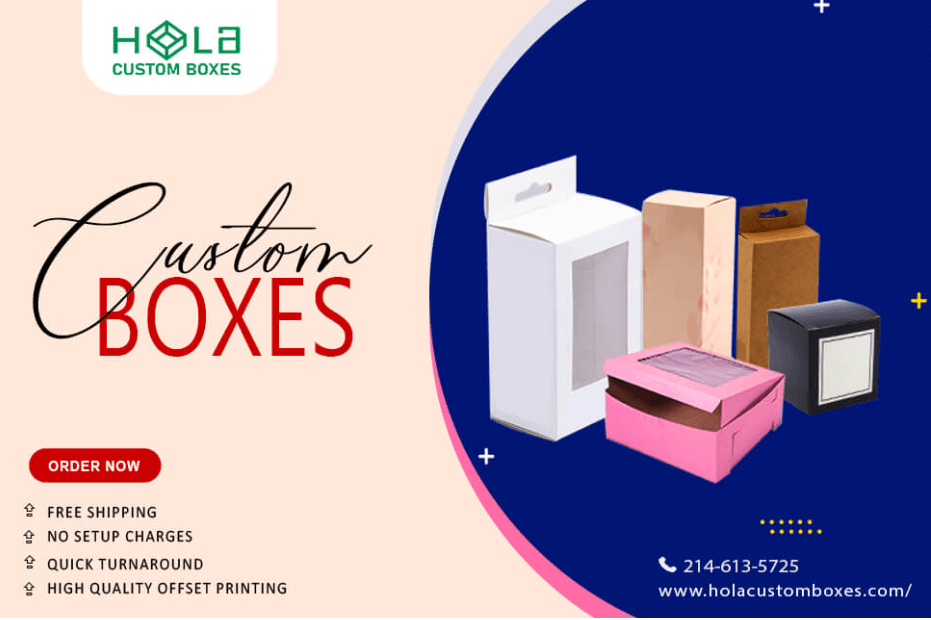
The first is a tuck-end folding carton designed for retail display. This format balances shelf presentation with efficient manufacturing.
The second is an auto-bottom or crash-lock carton that supports faster packing and greater base load strength.
The third is a corrugated shipping solution—either a standard RSC (FEFCO 0201) case or a roll-end front-tuck mailer—to control drop damage and compression loads during distribution.
E-flute corrugated board (approximately 1.5 mm) provides retail stiffness and improved print surfaces. B-flute (about 3 mm) offers stronger shipping performance. When stacking weight increases or distribution lanes become longer, double-wall BC-flute constructions may be required.
Board caliper should match pack weight, and edge-crush or box-compression targets should be calculated from pallet patterns and shipping distances.
Internal partitions or snug-fitting inserts can further limit product movement. Final validation should include ISTA-style drop and compression tests before specifications are locked for repeat production.
Printing and Finishes That Elevate Shelf Appeal
Once the correct carton or corrugated structure is selected for protection, printing and surface finishing determine the product’s visibility on the shelf.
Ink systems should match the substrate. Water-based inks are commonly used on uncoated kraft surfaces, while UV-curable inks perform well on coated SBS boards. Low-migration inks may be required when inner liners are present.
Color consistency can be controlled using spot Pantone references, G7 gray balance calibration, and press-side densitometry targets to maintain consistent earthy tones associated with mushroom packaging.
Finish selection depends on handling and retail lighting conditions. Matte aqueous coatings reduce glare and improve readability, gloss UV enhances color contrast, and soft-touch coatings add a premium tactile feel when scuff resistance is specified.
Selective visual effects such as spot UV or foil stamping can also be added, though registration tolerances must remain tightly controlled.
| Process lever | Spec target |
| Print method | Offset 150–200 lpi or flexo 133 lpi |
| Finish | AQ 1.0–1.5 gsm; UV 3–5 gsm |
Custom Dried Mushroom Packaging With Hola Custom Boxes
Whether launching a new SKU or standardizing packaging across multiple lines, Hola Custom Boxes can engineer dried mushroom packaging that aligns with barrier requirements, packing methods, and shelf presentation.
You’ll define the packaging format—folding carton, rigid box, or sleeve—along with board grade and caliper based on compression strength and stack height. Protective coatings such as aqueous, UV, or soft-touch finishes can be added, or foil laminate liners specified where aroma retention is critical.
By providing pouch dimensions, fill weight, and case-pack count, you’ll receive dielines engineered for tight tolerances. Digital proofs can then be reviewed before press checks verify color accuracy and registration.
After die-cutting, folding, and gluing, quality control confirms seam strength, dimensional accuracy, and barcode scannability.
Frequently Asked Questions
What Are the Minimum Order Quantities for Custom Dried Mushroom Boxes?
Minimum order quantities usually begin around 100–500 units per SKU, depending on the box structure, material type, and printing process.
MOQ is finalized once dieline dimensions, board grade, finish, and printing method are confirmed. Inserts, windows, or specialized coatings may increase the required minimum.
Small prototype runs of one to ten samples can often be produced for approval before the full production run.
What Is the Typical Production Turnaround Time and Shipping Timeline?
Production generally takes 7–12 business days after dieline approval, material confirmation, and artwork sign-off. Complex finishes may add several additional days.
Domestic shipping typically requires 2–6 business days, while international shipping may range from 7–21 days depending on the carrier and customs clearance.
Schedules are finalized once quantities, substrates, coatings, and inserts are confirmed.
Are Your Packaging Materials Recyclable or Compostable for Eco-Friendly Branding?
Yes. Recyclable or compostable materials can be selected depending on the sustainability goals of the brand.
Common solutions include FSC-certified paperboard, kraft, or corrugated materials that remain curbside recyclable. Water-based inks and aqueous coatings may also be used to preserve recyclability.
If compostability is required, compost-certified substrates or bio-based liners can be specified while avoiding plastic laminations.
Can You Provide Samples or Prototypes Before Full-Scale Production?
Yes. Samples or prototypes are typically available before full-scale production.
After approving a dieline and 3D render, you can select either a digital mockup or a physical prototype using the intended board grade, coating, inks, and inserts.
These samples allow testing of fit, print quality, and closure strength before mass production begins.
Do You Offer Barcodes, QR Codes, or Compliance Labeling on the Packaging?
Yes. Barcodes, QR codes, and regulatory labeling can be printed directly onto the packaging.
Customers provide the required data such as EAN, UPC, GS1 codes, or QR links. Placement, quiet zones, and print contrast are verified during prepress. If regional labeling requirements apply, such as FDA or EU standards, these specifications can be integrated into the artwork.
Final Thoughts
When specifying dried mushroom packaging boxes, the goal is to protect product integrity while simplifying packing and distribution. Board grade, caliper, and ECT ratings should match product weight and drop-risk profiles. Barrier laminations or coatings should control moisture transmission and oxygen ingress while preserving aroma.
Retail-ready or shipper-optimized structures should then be validated through dielines and testing, followed by high-quality printing with scuff-resistant finishes.
With Hola Custom Boxes, brands can prototype, validate, and scale dried mushroom packaging solutions confidently—ensuring both product protection and consistent shelf presentation.