Hair loss can affect confidence, appearance, and daily comfort. For many people, modern hair restoration procedures offer a long-term solution. One of the most widely used techniques today is Follicular Unit Extraction (FUE). Patients considering an FUE hair transplant in Raleigh at AZ Hair Restoration often want to understand what results look like, how long they take, and what factors influence success.
FUE is commonly used for treating different stages of hair loss, including male pattern baldness and certain types of Alopecia. It is a minimally invasive procedure that involves extracting individual hair follicles and implanting them into thinning or bald areas.
What Is An FUE Hair Transplant?
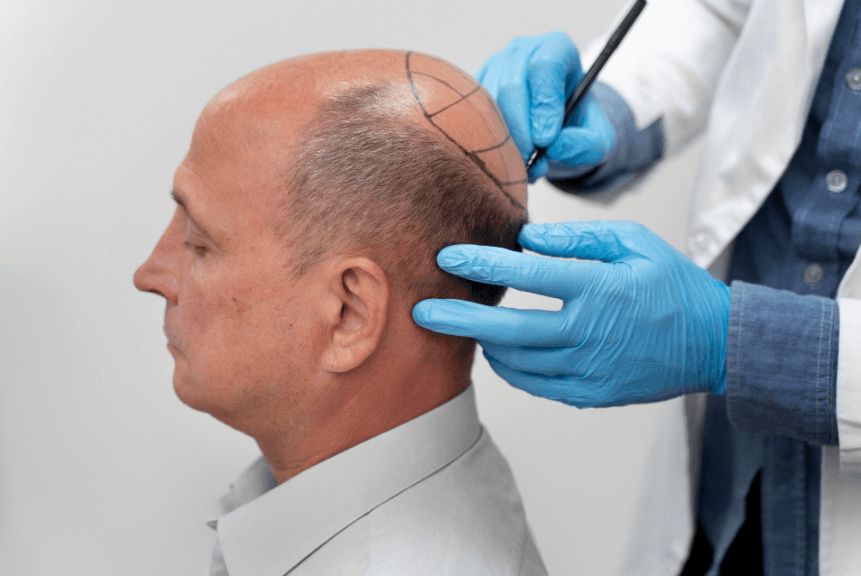
FUE (Follicular Unit Extraction) is a modern hair transplant technique that moves healthy hair follicles from a donor area to areas affected by hair loss.
How The Procedure Works
During an FUE procedure:
- Hair follicles are extracted one by one from the donor area (usually the back of the scalp)
- The follicles are carefully prepared
- They are implanted into thinning or bald areas
This process allows for precise placement and a natural-looking hairline when performed correctly.
Early Results After FUE Hair Transplant
Results from an FUE hair transplant in Raleigh at AZ Hair Restoration do not appear immediately. The healing and growth process takes time.
First Few Days After Surgery
Immediately after the procedure, patients may experience:
- Mild swelling
- Redness in the treated area
- Small scabs around grafts
These effects are temporary and usually improve within a week.
First Few Weeks
During the first few weeks:
- Transplanted hairs often shed
- The scalp continues healing underneath
- Hair follicles enter a resting phase
This shedding is normal and does not mean the treatment has failed.
When Hair Growth Begins
Hair growth follows a gradual timeline after FUE surgery.
3 to 4 Months
New hair growth typically begins to appear. At this stage:
- Hair may be thin and soft
- Density is still developing
- Growth may look uneven at first
6 Months
At around six months:
- Noticeable improvement in coverage is visible
- Hair becomes thicker and stronger
- Hairline begins to take shape
12 Months And Beyond
Final results are usually seen after 9 to 12 months:
- Full density becomes more visible
- Hair blends naturally with existing hair
- Overall appearance looks more balanced
What Affects FUE Hair Transplant Results?
Several factors influence how successful the outcome will be.
Donor Hair Quality
Strong donor hair is essential for good results. Thicker and healthier follicles usually produce better coverage.
Extent Of Hair Loss
Patients with early to moderate Alopecia often achieve denser results compared to those with advanced hair loss.
Surgeon Skill And Technique
The experience of the surgical team plays a major role in:
- Hairline design
- Graft survival rate
- Natural appearance of results
Post-Operative Care
Following aftercare instructions carefully helps protect grafts and supports healing.
What Results Look Like
Patients often expect a natural improvement rather than an instant transformation.
Natural Hairline Design
A well-performed FUE transplant should create a hairline that:
- Matches facial structure
- Follows natural growth direction
- Does not appear overly straight or artificial
Gradual Density Improvement
Hair density improves gradually over months. Early results may look subtle, but fullness increases over time.
Blending With Existing Hair
Transplanted hair is designed to blend with natural hair for a seamless appearance.
Recovery Timeline
Recovery is generally straightforward compared to older transplant methods.
First Week
- Scabbing begins to fall off naturally
- Mild tenderness may occur
- Patients are advised to avoid touching grafts
2 To 4 Weeks
- Shedding phase occurs
- Scalp returns to normal appearance
- No visible signs of surgery remain
3 To 12 Months
- Active hair growth phase
- Increasing thickness and coverage
- Continued improvement in texture
FUE Compared To Other Alopecia Treatments
There are multiple options for managing hair loss, and FUE is one of the most effective surgical approaches.
Non-Surgical Options
Some patients explore treatments such as:
- Medication (e.g., minoxidil or finasteride)
- Platelet-rich plasma (PRP)
- Lifestyle and scalp care routines
These can help slow progression but may not restore lost hair density fully.
Surgical Vs Non-Surgical
FUE provides:
- Permanent hair restoration using real follicles
- More visible coverage in bald areas
Non-surgical treatments:
- Support existing hair
- Require ongoing maintenance
Many patients combine both approaches for best results.
Are FUE Results Permanent?
Yes, transplanted hair follicles are generally permanent because they are taken from areas resistant to hair loss.
However:
- Natural ageing still occurs
- Existing non-transplanted hair may continue thinning
- Maintenance treatments may be recommended
Realistic Expectations
Understanding realistic outcomes is important before undergoing surgery.
What FUE Can Achieve
- Improved hairline definition
- Increased scalp coverage
- More balanced appearance
- Natural-looking regrowth
What FUE Cannot Guarantee
- Full restoration of original teenage density
- Immediate results
- Prevention of future hair loss in untreated areas
Importance Of Choosing A Qualified Clinic
Selecting a reputable clinic such as FUE hair transplant in Raleigh at AZ Hair Restoration is essential for safety and results.
Key Factors To Consider
- Surgeon experience
- Before-and-after case studies
- Clinic reputation
- Consultation process quality
Proper Consultation
A good clinic will assess:
- Hair loss pattern
- Donor area strength
- Expectations and goals
- Suitable treatment plan
Final Thoughts
FUE hair transplantation is a widely used and effective solution for restoring hair in individuals experiencing thinning or baldness due to Alopecia. For patients considering an FUE hair transplant in Raleigh at AZ Hair Restoration, understanding the timeline and expected outcomes is essential for setting realistic expectations.
Results develop gradually over several months, with full improvement typically visible after 9 to 12 months. While early stages may involve shedding and slow growth, the final outcome often delivers natural-looking density and improved hairline structure. Many patients also explore Alopecia Treatments options alongside FUE procedures to support overall scalp health and long-term hair retention.
With proper care, a skilled surgical approach, and realistic expectations, FUE can provide long-lasting improvements in hair appearance and confidence.